PLA Filament – Material Overview
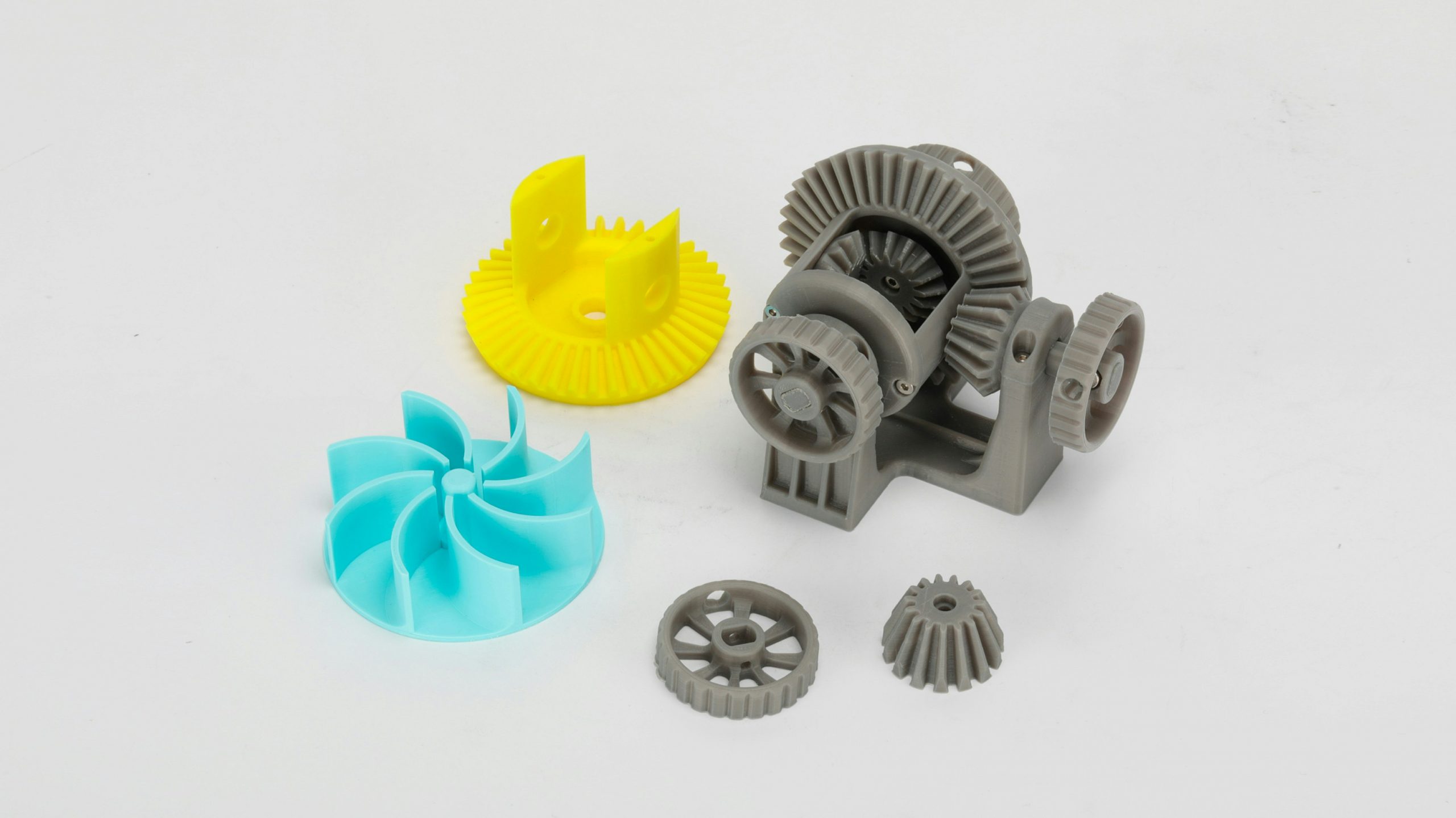
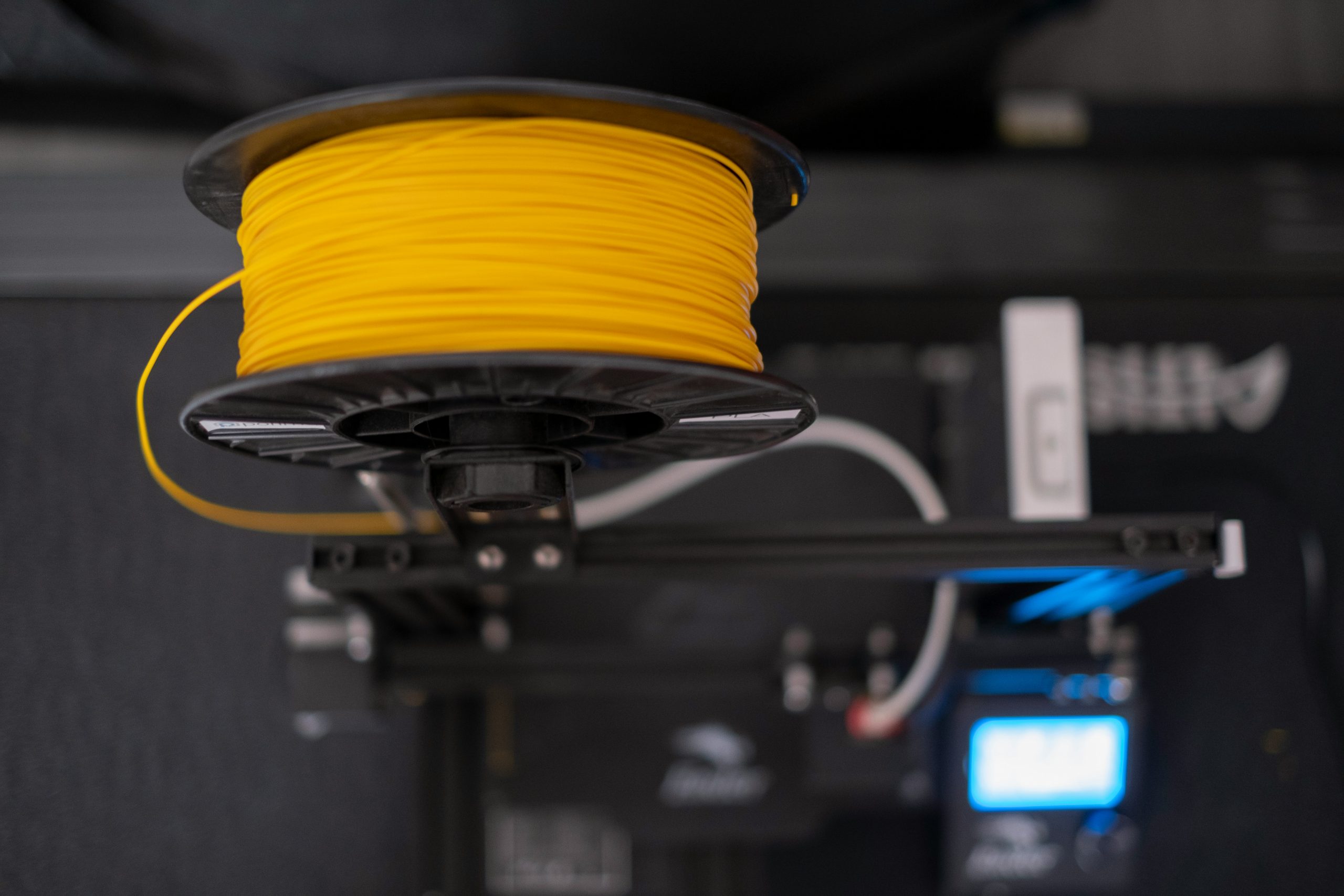
At Print Layer UK, PLA (Polylactic Acid) is one of our primary materials for producing high-accuracy, cleanly finished 3D printed parts. PLA is a bio-based thermoplastic derived from renewable resources such as corn starch and sugarcane, offering excellent dimensional stability and repeatability when used in FDM additive manufacturing.
PLA is selected for applications where precision, surface quality, and consistent tolerances are critical. Its low thermal shrinkage and minimal warping allow for reliable printing of detailed geometries without the need for enclosed printing environments. This makes PLA ideal for producing accurate components with sharp edges and fine features.
From a manufacturing standpoint, PLA provides predictable layer adhesion and stable extrusion at lower processing temperatures, resulting in smooth surface finishes and tight dimensional control. It produces minimal odour during printing and supports efficient, repeatable production workflows.
Technical Characteristics
- High dimensional accuracy with minimal post-processing
- Excellent surface finish, suitable for visible or display-facing components
- Low warping and shrinkage, improving print consistency
- Good layer adhesion for standard functional loads
Typical Applications
- Precision printed components
- Organisers, mounts, and low-load functional parts
- Prototypes, fixtures, and design models
- Indoor-use products requiring clean aesthetics
Material Limitations
PLA has a relatively low glass transition temperature and may soften when exposed to sustained temperatures above approximately 55–60°C. It is not recommended for high-temperature environments, heavy mechanical loading, or prolonged outdoor exposure.
Print Layer UK Quality Notes
All PLA parts produced by Print Layer UK are printed using calibrated equipment and optimised print profiles to ensure consistent results across production runs. Minor layer lines are a natural characteristic of FDM 3D printing and do not affect part functionality.
Share this content: